Marie Curie’s two Nobel Prizes recognized different stages of her work
The physics and chemistry awards reflect two connected advances in the study of radioactivity.
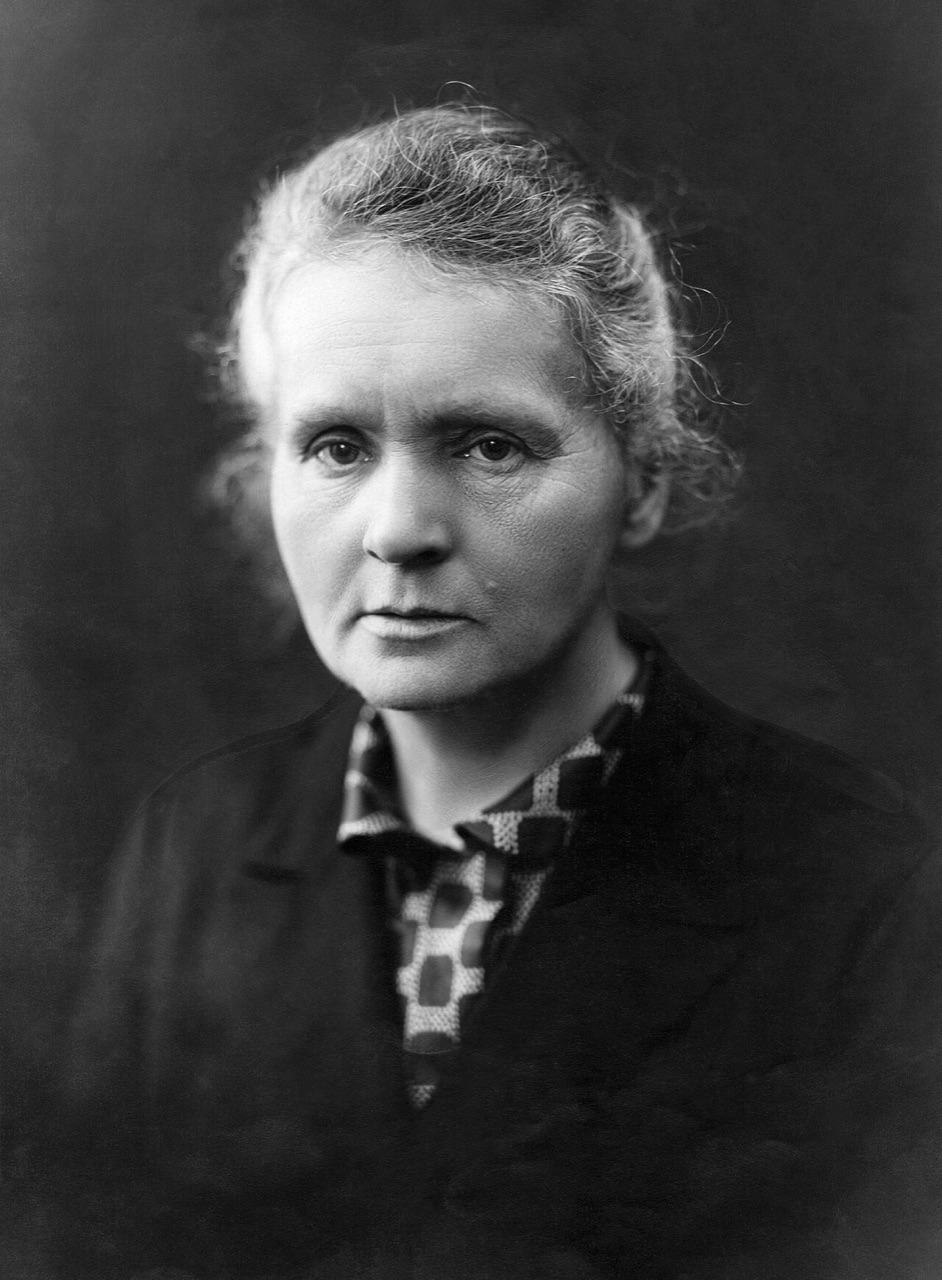

Marie Curie shared the 1903 Nobel Prize in Physics with Pierre Curie and Henri Becquerel for research on radiation. She received the 1911 chemistry prize for work that included the discovery of radium and polonium and the study of radium.
The first award recognized research into a newly observed phenomenon. The later award reflected the painstaking chemical work needed to identify substances behind it. The two awards trace a shift from observing radiation to identifying and studying the elements that produced it.